
The tourism sector is undergoing a profound and multidimensional transformation, driven by technological innovation, a growing focus on sustainability and a desire for authentic experiences. The trends projected for 2026 outline a landscape full of opportunities for industry professionals and increasingly aware travellers. Let us look in detail at the emerging trends that will shape the way we travel in the coming years.
1. Personalisation through AI and digital bookings
The digital transformation of tourism will reach a new level in 2026. It is expected that 65% of bookings will be made online, with increasing use of smartphones and OTA (Online Travel Agency) platforms. Generative artificial intelligence will make it possible to create tailor-made itineraries in real time, adapted to the tastes, budget and specific needs of travellers.
For tourism professionals, mastering AI and CRM tools will be essential to deliver customised experiences and increase loyalty.

2. Sustainable and regenerative tourism
Sustainable tourism will evolve towards more advanced forms, such as regenerative tourism: not only reducing environmental impact, but actively contributing to the improvement of local communities and ecosystems. Destinations such as Queenstown (New Zealand) and Hainan Island (China) are already virtuous models in this regard.
For those operating in tourism, designing green offers and collaborating with local realities is a strategic and valuable choice.
3. Wellness Tourism and “Vitamin T”
Health and wellness will increasingly be at the centre of the travel experience. The concept of “Vitamin T” (time, tranquillity, transformation) will be translated into meditation retreats, natural spas, digital detoxes and nature trails.
Wellness tourism will also grow due to an increased focus on mind-body balance in an increasingly stressed society.

4. Bleisure and digital nomadism
The boundary between work and leisure will continue to blur. Bleisure (business + leisure) and digital nomadism will lead professionals to live and work from remote locations, facilitated by ad hoc visas and digital infrastructure in resorts and coworking.
Tourism professionals will need to be able to offer flexible services, connectivity and environments adapted to this new category of travellers.
5. Cultural and immersive experiences
Travel is no longer just visiting, but participation. The year 2026 will see a growing demand for experiential tourism, which involves the tourist in workshops, courses, local traditions, crafts and daily life.
A valuable opportunity to enhance lesser-known villages, communities and territories by focusing on storytelling and co-creation of the experience.
6. Space tourism and the search for the unusual
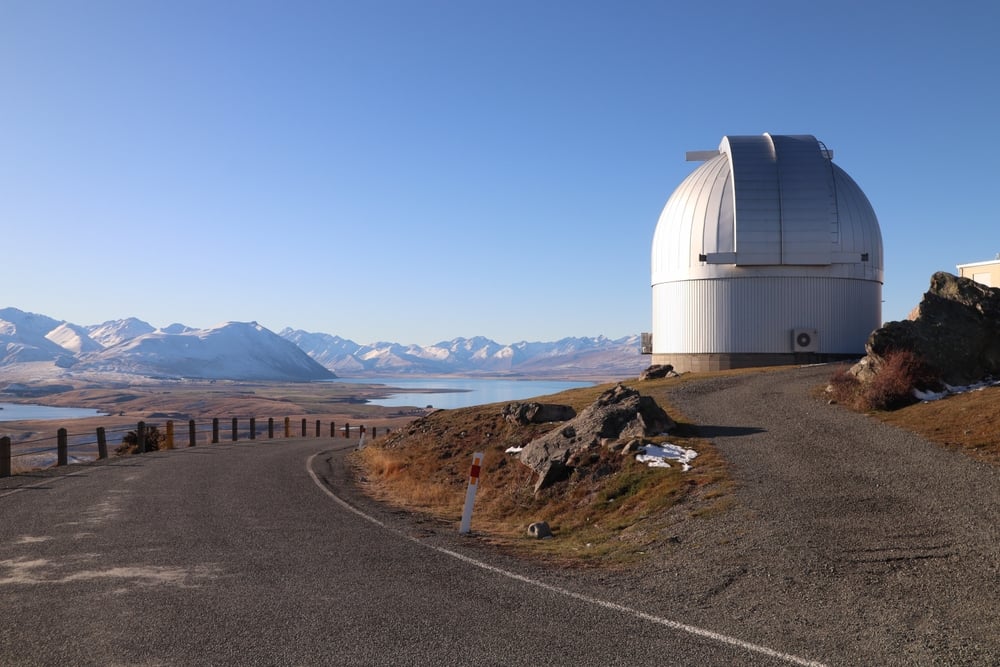
Space tourism will become a niche but fascinating reality. Suborbital flights and stays in orbit will attract high-spending travellers, but the desire for “out-of-the-ordinary” experiences will also manifest itself on the ground, with forms of astro-tourism and trips to dark skies to observe the stars far from light pollution.
A trend that combines adventure, science and contemplation.
7. Event-related tourism and cultural bleisure

Global events, festivals and cultural events will increasingly be the focus of travel motivations. Event-driven tourism will see a peak with events such as the 2026 World Cup.
At the same time, “cultural bleisure” will take hold thanks to unified visas and integrated reception policies, as in the case of the Gulf countries (GCC).
8. Alternative and green transport
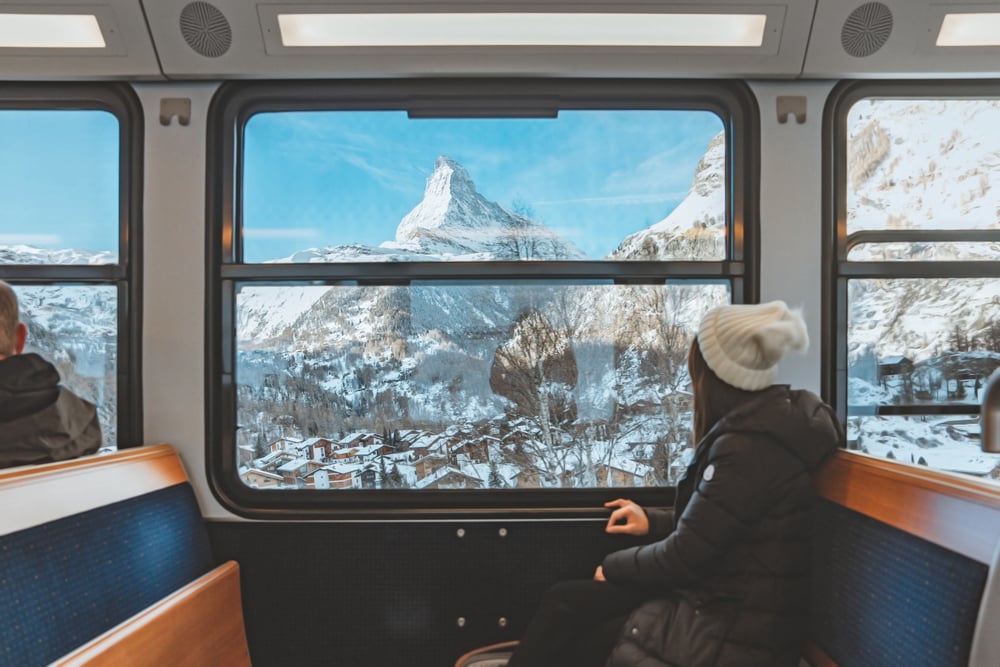
Sustainable mobility will be a key component of tourism in the future. High-speed rail will experience significant growth, taking away share from air transport. In parallel, electric aircraft, sustainable fuels (SAF) and forms of shared mobility will spread.
Operators will have to rethink routes and integrate low-impact transport solutions.
2026 will be a year of consolidation of a new model of tourism: more conscious, personalised and sustainable. Those working in the tourism industry will have to invest in training, technology and experiential design to meet an increasingly sophisticated demand.
Il viaggio non è più solo una pausa, ma un atto di scoperta, relazione e trasformazione.




 English
  Italian
  Spanish