
A event manager must bear in mind a basic concept of the subject, namely the 5 characteristics of an event or:
- uniqueness
- duration
- performance
- risk
- cost
The identification and study of these 5 elementsi gives theevent planner to collect a range of important information for the management and fruition of an event.
Uniqueness
Each successful event is such because it has its own intrinsic uniqueness, i.e. it possesses special characteristics that differentiate it from all others.
L'uniqueness of the event does not depend on its content, but on the very exceptionality of the event, on its being set in a certain space and time, which makes it different from any other edition. The higher the value of an event's uniqueness, the more successful it will be.
This uniqueness, in turn, derives from other elements and factors, which are the public, i performer, the organisation, the duration and the frequency.
Public
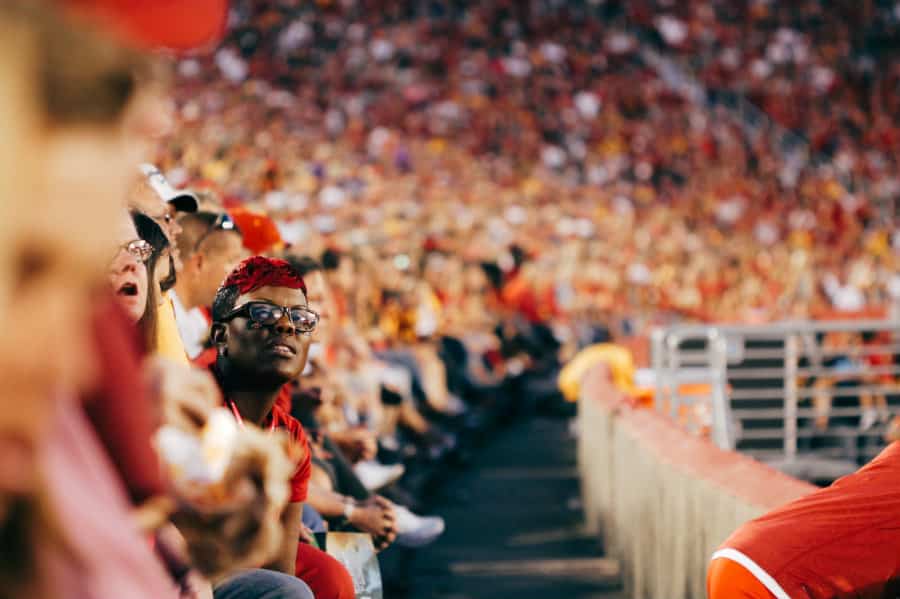
The public represents thefundamental element of an eventThere would be no event if there were not those who have to enjoy it. And often the audience's expectations are very high indeed, because the audience can only attend that event once. That's why it has to be unique, unrepeatable, for the audience to be able to retain their loyalty.
 Performer
I performer are those who are called upon to perform at an event: they are entrusted with an important part of the event's success and often, the more 'unique and unrepeatable' the event, the higher the tension for the performers.
Organisation
All aspects of an event must function perfectly, from the smallest of details to the most important of tasks. This is why organisation must not be left to chance or inexperience, but must be given to those who have all the necessary skills to carry out the task flawlessly, managing risks from the outset, guiding and coordinating all management, analysing every aspect of the event.
Duration and frequency
A event may be short-lived and unrepeatable, unique, but it may also be an event that has several editions, with a variable frequency depending on the case: it may be annual or even multi-year.
Examples of annual events are Formula 1, the Sanremo Festival, the Academy Awards, the Book Fair.
Examples of multi-year events are the World Cup or the Olympic Games.
The factor frequency is an important element for an event, as for example, the concept of periodicity of an appointment creates a sense of expectation and loyalty in the user.
Do you want to become a professional? Discover the master's degree for event managers and PCOs by IET.


 English
  Italian
  Spanish