
It is called Asap and is the new 'collector of talent and solutions' for organising an experiential event. Located opposite the Central Station of Milanis the place where experts in experiential technologies show companies, enthusiasts and citizens the potential of an increasingly growing sector.
There are now 10 companies active in the field of virtual and augmented realitysensors and theartificial intelligencewith working teams of professional developers. The purpose of the hub Asap (reads the article in Eventreport.co.uk) is to initiate training programmes and experiential events aimed at accelerating the adoption of these technologies in various sectors in Italy.
A great opportunity for companies that would have new communication tools to make themselves better known on the market by their stakeholders.
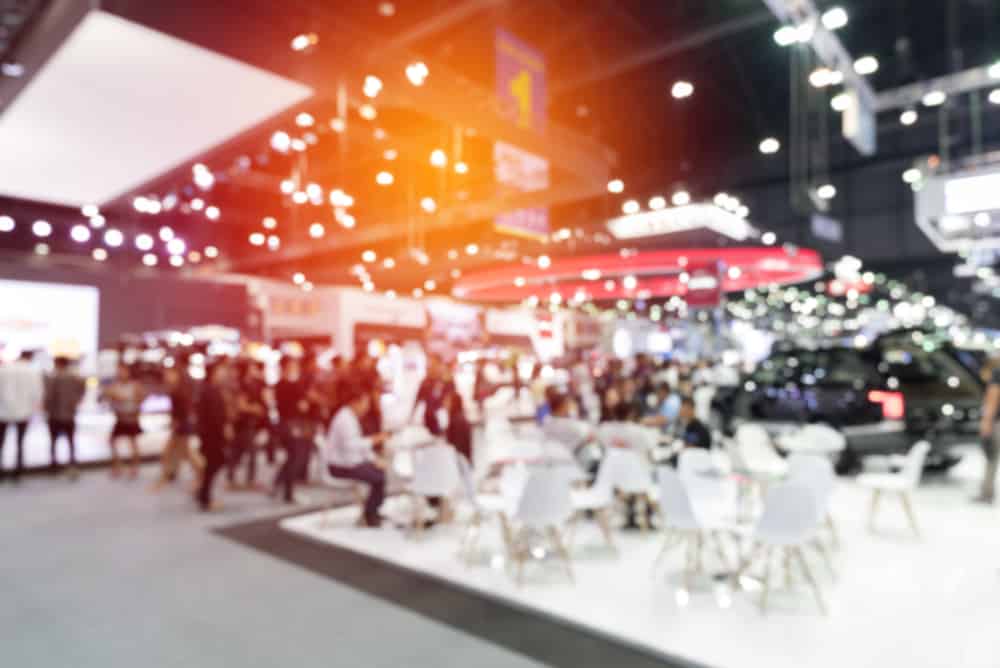
It was important to bring the community of practitioners under one roof in order to accelerate the dissemination and development of skills, but above all to create a kind of virtuous pole capable of developing and testing new experiential technologies and sensorial.
Important help will be given by Asap to companies and agencies to integrate the new experiential technologies in eventshosting them in their own premises, where all the technology and know-how of the technology hub will also be provided.
How to organise an experiential event: some general notions
About experiential marketinge, it is necessary to be clear on a few points. Firstly, the objective of the marketing strategy, which is aimed at identifying the type of experience that will enhance a given event and consequently a very precise communication message.
According to Schmittthe creator of the experiential marketing, there are five types of experience, called SEMs or Strategic Esperential Modules:
- Sense experience - involving sensory perception;
- Feel experience - involving feelings and emotions;
- Think experience - creative and cognitive;
- Act experience - involving physicality;
- Relate experience - resulting from relating to a group.
These types of experience can also be mixed to achieve a truly 'memorable' experience. This must, in turn, be set in four directions:
- Entertainment, through the involvement of the 5 senses
- Educational, through active participation
- Aesthetic, immersion in the event without changing it
- Of escapism, immersion in the event with active involvement
Steps for organising an experiential event
The Experiential Event Marketing is based on four steps:
- Strategy
- Creativity
- Execution
- Measurement
La strategy must start with the client's brief and the collection of information, then define general and specific communication objectives, analyse the target audience, assess trends, competitors, activities, identify opportunities and provide strengths and weaknesses.
La creative phase must identify the creative theme, design and develop the idea, and identify all possible side activities.
La executive phase must verify the concrete of feasibility of the experiential event. In this phase, locations, set-ups, catering, service, gadgets, entertainment will be selected; implementation schedules will be defined, costs and investments analysed, inspections, checks and coordination carried out.
Finally, the event measurement phasevery important, will consist of evaluating the project as a whole, measuring its individual and specific results, in correlation with the objectives set, the return on investment, and will see the drafting of a report for the client to show him the results achieved.
You want working in the events industry? Choose the master's degree for event managers and PCOs by IET.

 English
  Italian
  Spanish